Sewer line failures pose significant risks for photographers, particularly in urban environments. Understanding the primary causes—such as tree root intrusion and aging infrastructure—can help mitigate potential damage. Regular inspections are essential for identifying early warning signs, like persistent clogs or odors. By recognizing these issues, photographers can better safeguard their equipment. However, the implications of neglecting these problems can be severe, raising questions about the necessary protective measures and their effectiveness.
Key Takeaways
- Regularly inspect sewer lines for tree root intrusion to prevent blockages near your photography workspace.
- Monitor for signs of aging infrastructure, as deterioration can lead to leaks that threaten equipment.
- Ensure proper installation of sewer lines to avoid misalignment and future failures that may disrupt access to shooting locations.
- Keep an eye out for frequent clogs and unpleasant odors, as these may indicate underlying sewer issues requiring immediate attention.
- Use waterproof storage solutions and moisture absorbers to safeguard your gear from potential sewer-related water damage.
Why Sewer Line Failures Are a Big Deal for Photographers
Sewer line failures pose significant risks to photographers, particularly those operating in urban environments where proximity to sewage systems is common. These failures can result from various factors, including tree root intrusion, corrosion, and improper installation. The consequences of such failures extend beyond unpleasant odors; they can lead to hazardous conditions that threaten both safety and photography equipment. Contaminants released during a failure can damage sensitive gear, necessitating costly repairs or replacements. Additionally, the disruption caused by sewer issues can hinder access to ideal shooting locations, impacting photographers’ ability to capture desired images. Understanding the causes of sewer line failure allows photographers to take preventive measures, safeguarding their equipment and ensuring uninterrupted workflow in urban settings.
Top 5 Causes of Sewer Line Failures Every Photographer Should Know
Understanding the underlying factors contributing to sewer line failures is essential for photographers who operate near urban infrastructure. The top five causes include tree root intrusion, which can penetrate and block pipes; aging infrastructure, where materials deteriorate over time; improper installation, leading to misalignment or weaknesses; groundwater infiltration, which can overwhelm systems; and debris accumulation, often from grease and waste. Each of these issues can lead to significant disruptions, potentially affecting the surrounding environment where photographers work. Recognizing these causes allows photographers to take preventive measures, ensuring their equipment remains safeguarded from potential sewer line failures. Awareness fosters a proactive approach, helping photographers maintain their creative spaces without unexpected interruptions.
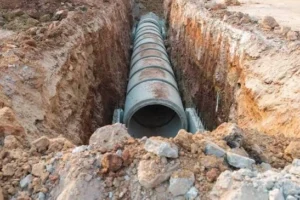
The Impact of Sewer Line Issues on Photography Gear
How do sewer line issues affect photography gear? The impact of sewer line failures can be significant, leading to potential damage and degradation of valuable equipment. Photographers must remain vigilant about these risks, as exposure to contaminants and moisture can severely impair functionality.
- Corrosion: Chemicals from sewage can corrode metal components, affecting durability and performance.
- Mold Growth: Excess moisture invites mold, which can infiltrate camera bodies and lenses, leading to irreparable damage.
- Electrical Malfunctions: Water exposure can cause short circuits in electronic devices, compromising functionality.
- Contamination: Sewage spills can contaminate gear surfaces, necessitating extensive cleaning and maintenance.
Understanding these impacts underscores the importance of identifying the causes of sewer line failure early to protect valuable photography equipment.
How to Protect Your Gear From Sewer Line Problems
Protecting photography gear from sewer line problems requires proactive measures and strategic planning. Photographers should first assess their workspace for potential sewer line vulnerabilities, such as proximity to old pipes or areas prone to flooding. Implementing waterproof storage solutions can safeguard equipment during unforeseen events. Regular maintenance of sewer lines is essential; this includes scheduling inspections to identify the causes of sewer line failure early. Photographers should also invest in moisture-absorbing materials, like silica gel packets, to minimize humidity in storage areas. Finally, developing a contingency plan for emergencies will guarantee quick response times, protecting valuable gear from potential damage. By taking these precautions, photographers can maintain the integrity of their equipment against sewer line issues.
When to Call a Professional for Sewer Line Issues
Recognizing the signs of sewer line issues is essential for timely intervention. Homeowners should be vigilant in monitoring their plumbing systems to prevent severe damage that may impact photography equipment stored in basements or nearby areas. Indications that warrant calling a professional include:
- Frequent Clogs: Persistent blockages that reoccur after attempts to clear them.
- Unpleasant Odors: Foul smells emanating from drains or the yard, suggesting sewer backups.
- Slow Drains: Drains that are consistently slow, indicating potential obstructions in the sewer line.
- Soggy Areas: Unusual wet patches in the yard can signal a leak or break in the sewer line.
Prompt action in addressing these signs can mitigate the causes of sewer line failure and protect valuable equipment.
Frequently Asked Questions
How Often Should I Inspect My Sewer Lines for Potential Issues?
Regular inspections of sewer lines should occur every 1 to 2 years, with increased frequency recommended for older systems or those in areas prone to issues. Early detection of potential problems can prevent costly repairs and damages.
What Are the Signs of a Sewer Line Failure?
Signs of sewer line failure include persistent odors, slow drainage, water backups, damp patches in the yard, and gurgling sounds in pipes. Early detection of these symptoms is essential for effective remediation and prevention.
Can Tree Roots Really Damage Sewer Lines?
Tree roots can indeed damage sewer lines, infiltrating cracks and joints. This intrusion often leads to blockages and structural failures, necessitating prompt identification of the causes of sewer line failure to mitigate potential damage effectively.
How Does Weather Affect Sewer Line Integrity?
Weather greatly impacts sewer line integrity; extreme temperatures can cause ground shifting, while heavy rainfall may lead to increased water pressure. These factors contribute to potential weaknesses, ultimately resulting in the causes of sewer line failure.
What DIY Measures Can I Take to Prevent Sewer Line Failures?
To prevent sewer line failures, individuals can conduct regular inspections, avoid flushing non-biodegradable items, maintain proper drainage, and consider root barriers. These proactive measures address potential issues before they escalate, ensuring system longevity and efficiency.
Conclusion
In summary, early identification of sewer line failure causes is essential for photographers aiming to protect their equipment. Understanding factors such as tree root intrusion, aging infrastructure, and improper installation enables proactive measures to mitigate risks. By conducting regular inspections and monitoring for warning signs, photographers can prevent potentially costly damage. Prioritizing these actions guarantees that photographic gear remains safe and functional, allowing for uninterrupted creativity and focus on capturing exceptional images.
You May Also Like To Read: