Photographers often face unique challenges when planning shoots near mountain cabins. Road conditions can be unpredictable, influenced by weather and terrain. Understanding these factors is vital for a successful outing. By employing essential tools and strategies, photographers can navigate these obstacles effectively. Preparation not only enhances safety but also opens up opportunities for capturing stunning images. However, knowing where to start can make all the difference in the outcome of the shoot.
Key Takeaways
- Monitor weather forecasts and local conditions to anticipate road access and adjust plans accordingly.
- Use reliable GPS and topographic maps to navigate and assess road passability effectively.
- Scout locations in advance to identify potential obstacles and unique photographic opportunities.
- Pack essential gear, including weatherproof equipment and extra supplies, for unpredictable mountain conditions.
- Maintain a flexible shooting schedule to accommodate sudden changes in weather or road conditions.
What Photographers Need to Know About Mountain Cabin Road Conditions
When planning a photography shoot in mountainous regions, understanding mountain cabin road conditions is essential for ensuring both safety and accessibility. These conditions can vary greatly, influenced by factors such as weather, terrain, and seasonal changes. Photographers must consider whether roads are passable, as muddy or snowy paths can impede travel. Checking local advisories or consulting with fellow photographers can provide valuable insights into current conditions. Additionally, knowing the type of vehicle required for specific roads can save time and frustration during a shoot. By prioritizing awareness of mountain cabin road conditions, photographers can enhance their experience and capture stunning landscapes, all while fostering a sense of community among those who share a passion for the outdoors.
Essential Tools for Assessing Mountain Cabin Road Conditions
A variety of essential tools can greatly aid photographers in evaluating mountain cabin road conditions before starting a shoot. First, a reliable GPS device can provide accurate information about road accessibility and terrain types. Additionally, weather apps are vital for monitoring conditions that may impact travel, such as rain or snow. Topographic maps offer insights into elevation changes and road gradients, helping photographers assess potential challenges. A smartphone with a compass feature can assist in traversing unfamiliar paths. Finally, local resources like online forums or social media groups can provide real-time updates from fellow photographers. By utilizing these tools, photographers can guarantee a smoother journey to their chosen mountain cabin, enhancing both safety and the overall shooting experience.
How to Plan Your Shoot for Unpredictable Mountain Cabin Road Conditions
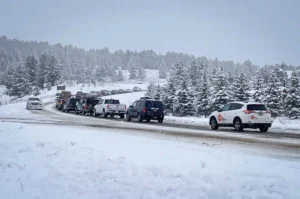
How can photographers effectively navigate the challenges posed by unpredictable mountain cabin road conditions? To guarantee a successful shoot, careful planning is essential. First, photographers should monitor weather forecasts and local conditions prior to their trip. Utilizing reliable apps or websites can provide real-time updates. It’s also wise to scout the area in advance, either physically or through online resources, to identify potential obstacles. Having a flexible shooting schedule allows for adjustments based on road accessibility. Additionally, packing essential gear, including a first aid kit and extra food, guarantees preparedness for unforeseen delays. By anticipating the unpredictability of mountain cabin road conditions, photographers can create a more enjoyable and productive shooting experience, fostering a sense of community and shared adventure among their peers.
Best Practices to Capture Stunning Photos in Challenging Terrain
Capturing stunning photos in challenging terrain demands both skill and adaptability. Photographers should study the landscape beforehand, identifying potential vantage points that offer unique perspectives. Utilizing natural light effectively can enhance the mood; golden hour often yields the most breathtaking results. Stability is essential, so using a tripod can help manage shaky conditions, particularly on uneven ground. Additionally, framing and composition should consider the surrounding elements, integrating them harmoniously into the shot. Being prepared for sudden weather changes is critical; a rain cover can protect gear while allowing for creative shots in moody conditions. Ultimately, patience and a keen eye for detail will transform obstacles into opportunities, enabling photographers to capture the essence of mountain cabin road conditions beautifully.
Adapting Your Gear for Mountain Cabin Road Conditions
Photographers must carefully assess and adapt their gear to navigate the unique challenges posed by mountain cabin road conditions. Prioritizing lightweight and durable equipment becomes vital; a compact camera and versatile lens can ease mobility on rocky paths. Weatherproof gear is essential, as unpredictable elements may arise. Consider using a sturdy tripod designed for uneven terrain, enhancing stability for long exposures. Additionally, packing extra batteries and memory cards guarantees readiness for spontaneous moments that the breathtaking landscape offers. Utilizing a waterproof bag helps protect precious equipment from moisture. By thoughtfully adapting gear to these conditions, photographers can foster a sense of belonging within the wild, capturing the essence of mountain retreats while making sure their tools are well-suited for the adventure ahead.
Frequently Asked Questions
What Are the Best Seasons for Shooting Near Mountain Cabins?
Spring and autumn are ideal for shooting near mountain cabins, as vibrant foliage enhances landscapes. Winter offers serene snow-covered scenes, while summer provides lush greenery, each season presenting unique opportunities for enchanting photography.
How Can Weather Forecasts Impact Mountain Cabin Road Conditions?
Weather forecasts greatly influence mountain cabin road conditions, as rain or snow can create hazardous travel. Photographers must monitor forecasts to guarantee safe access, optimizing shooting opportunities while avoiding unexpected challenges posed by changing weather.
Are There Local Resources for Checking Mountain Cabin Road Conditions?
Local resources for checking mountain cabin road conditions include state transportation websites, mobile apps, and community forums. These platforms provide real-time updates, ensuring photographers can plan their shoots safely and effectively amidst changing conditions.
What Safety Precautions Should Photographers Take in Remote Areas?
Photographers should carry essential gear, such as first aid kits, maps, and extra water. Informing someone of their location, monitoring weather changes, and utilizing sturdy footwear enhances safety during remote area shoots amidst unpredictable mountain cabin road conditions.
How Do I Choose the Right Time of Day for Mountain Shoots?
Choosing the right time of day for mountain shoots involves considering lighting conditions. Early mornings and late afternoons provide softer, warmer light, enhancing landscapes while minimizing harsh shadows, creating an inviting atmosphere for enchanting photography.
Conclusion
To summarize, successful mountain cabin photography hinges on thorough preparation and adaptability. By understanding road conditions, utilizing essential tools, and remaining flexible with shooting schedules, photographers can navigate unpredictable terrains with confidence. Incorporating best practices and tailoring gear for challenging environments not only enhances safety but also elevates the quality of the captured images. Ultimately, a strategic approach transforms potential obstacles into opportunities for stunning visual storytelling amidst the breathtaking backdrop of nature.
May You Also Like to Read: