Photography serves as an essential conduit for travelers exploring Revolutionary War sites. It captures the essence of history, transforming static locations into dynamic stories. Through careful framing and attention to detail, photographers reveal the poignant architecture and the human experiences that shaped the era. Each image invites viewers to contemplate the sacrifices made and the lives lived. As the narrative unfolds, one begins to wonder how to best capture these moments for themselves.
Key Takeaways
- Photography captures the essence of Revolutionary War sites, transforming them into vivid narratives that engage travelers emotionally.
- The interplay of light and shadow enhances architectural details, bringing historical structures to life in striking images.
- Candid shots of reenactors allow visitors to feel a sense of participation in the past, fostering deeper connections.
- Unique angles and textures invite travelers to explore the rich stories woven into each location’s history through their photographs.
- Sharing images on social media cultivates a community where experiences and narratives around these historic sites can be exchanged.
The Role of Photography in Revolutionary War Sites
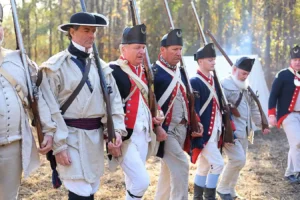
Photography plays an essential role in bringing revolutionary war sites to life for travelers and history enthusiasts alike. Through the lens, these historic locations transform into vivid narratives, capturing the spirit and emotion of a pivotal era in American history. Each photograph serves as a portal, allowing viewers to connect with the sacrifices and triumphs of those who fought for freedom. The interplay of light and shadow highlights architectural details, while candid shots of reenactors evoke a sense of participation in the past. As visitors explore Revolutionary War attractions, photography cultivates a shared experience, fostering a sense of belonging among those who seek to understand and appreciate the complexities of their heritage. This visual storytelling enriches the journey, making history accessible and engaging.
Must-Visit Revolutionary War Sites for Stunning Photography
Travelers seeking to capture the essence of the Revolutionary War need search no further than a selection of iconic sites that offer breathtaking photography opportunities. Locations such as the historic battlefield of Gettysburg present dramatic landscapes where the echoes of history resonate through the rolling hills. Philadelphia’s Independence Hall, with its timeless architecture, serves as a striking backdrop for portraits that connect the past to the present. Meanwhile, the serene beauty of Yorktown’s waterfront offers a tranquil setting for reflective shots. Each of these revolutionary war sites invites photographers to discover unique angles, rich textures, and the stories woven into the fabric of American history, fostering a sense of belonging to a momentous journey through time.
How to Capture Your Experience at Revolutionary War Sites?
Capturing the essence of Revolutionary War attractions requires a keen eye and thoughtful approach. Travelers are encouraged to immerse themselves in the surroundings, observing the intricate details that tell stories of valor and sacrifice. Natural lighting plays an essential role; early morning and late afternoon provide soft illumination, enhancing textures and colors. Engaging with the landscape allows for dynamic compositions, highlighting the juxtaposition of nature and history. Travelers should also consider including personal elements, such as themselves or fellow explorers, to evoke a sense of connection. By focusing on both the grand vistas and intimate moments, photographers can create a vivid narrative that brings revolutionary war sites to life, inviting viewers to experience history through their lens.
Tips for Photographing Revolutionary War Sites
While exploring revolutionary war sites, photographers can enhance their images by being mindful of their surroundings and the stories embedded within them. Capturing the essence of these historical locations requires attention to detail; a weathered cannon or a serene battlefield can evoke powerful emotions. Early morning or late afternoon light casts a warm glow, enriching textures and colors. Incorporating elements such as old trees or stone walls adds depth, creating a narrative within the frame. Experimenting with different angles can reveal unique perspectives, inviting viewers to see the site anew. Finally, patience is key; waiting for the right moment—whether it’s a passing cloud or a wandering visitor—can transform an ordinary shot into a compelling story that resonates with fellow travelers.
Sharing Your Photography With Fellow Travelers
A growing community of enthusiasts enthusiastically shares their photography from Revolutionary War attractions, transforming personal experiences into collective memories. These travelers connect through social media platforms, where stunning visuals of battlefields, reenactments, and historic landmarks spark conversations. Each photograph invites others to explore the rich narratives behind the scenes, fostering a sense of belonging among history buffs and casual visitors alike. Photographers often include informative captions, sharing insights about the site’s significance, enriching the community’s understanding. Online forums and local meet-ups further cultivate relationships, allowing individuals to exchange tips and stories. This shared passion not only enhances personal journeys but also preserves the legacy of revolutionary war attractions, ensuring that history continues to resonate with future generations.
Frequently Asked Questions
What Equipment Is Best for Photographing Revolutionary War Sites?
A DSLR or mirrorless camera with a versatile zoom lens is ideal for photographing revolutionary war sites. A sturdy tripod enhances stability, while filters can improve colors and reduce glare, capturing the essence of historical landscapes.
Are Drone Photographs Allowed at Revolutionary War Attractions?
Drone photographs are generally prohibited at Revolutionary War attractions due to preservation efforts and safety regulations. Visitors should always check local guidelines to respect the historical significance and integrity of these cherished locations.
How Can I Edit Photos Taken at Revolutionary War Sites?
Editing photos taken at revolutionary war attractions involves adjusting brightness and contrast, enhancing colors, and applying filters. Cropping can improve composition, while adding historical context through captions enriches the viewer’s connection to the past.
What Time of Day Is Best for Photographing Revolutionary War Sites?
The best time for photographing revolutionary war sites is during the golden hour—shortly after sunrise or before sunset. The soft, warm light enhances textures and colors, creating evocative images that resonate with history and emotion.
Can I Find Guided Photography Tours at Revolutionary War Attractions?
Guided photography tours at revolutionary war attractions are indeed available, offering enthusiasts a unique opportunity to capture historical landscapes. Knowledgeable guides enhance the experience, providing insights while helping participants hone their photography skills amidst rich history.
Conclusion
To sum up, photography serves as a powerful bridge between past and present at Revolutionary War sites, inviting travelers to immerse themselves in history. By capturing the intricate details and poignant moments of these locations, photographers not only document their experiences but also foster a deeper connection to the sacrifices made for freedom. As visitors share their images, they contribute to a collective narrative, enriching the understanding of America’s past and inspiring future generations to explore these essential stories.
May You Also Like to Read: